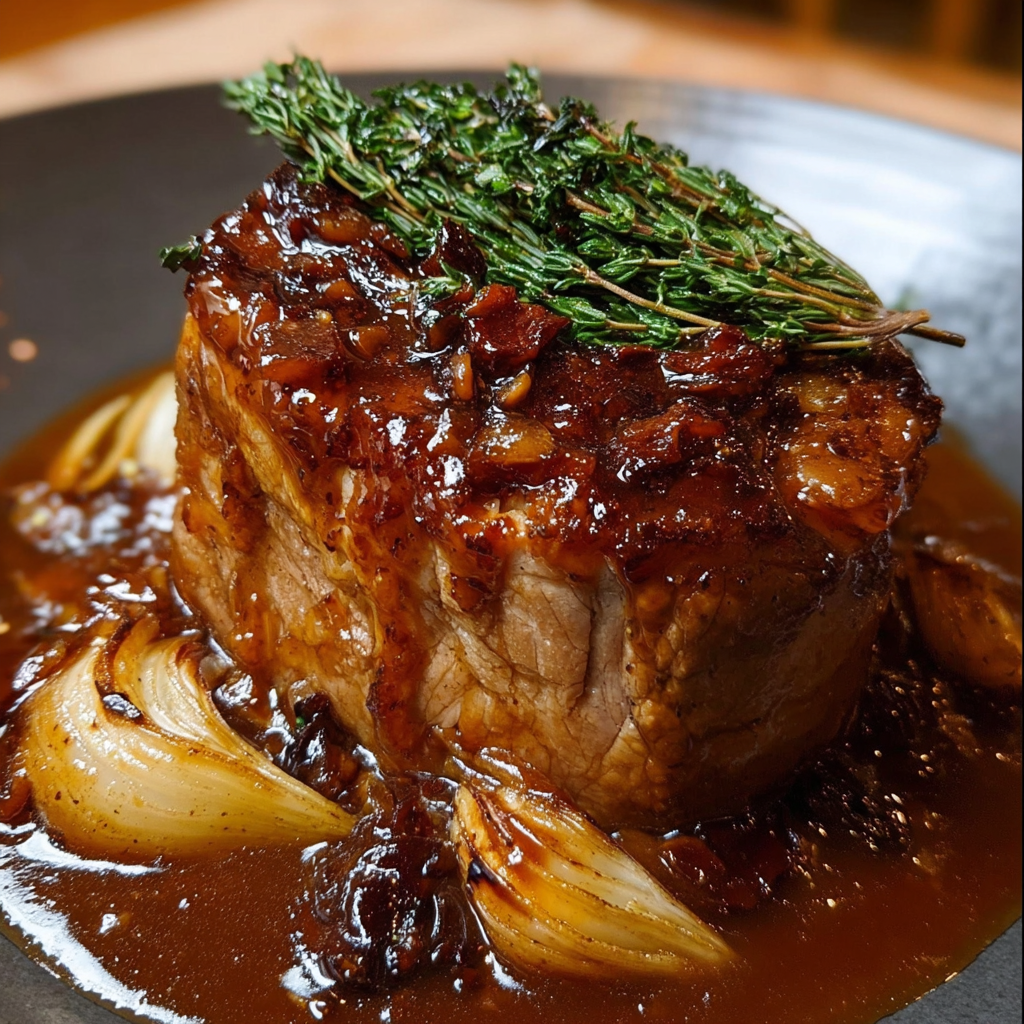
Discover the Magic of Pork Confit: A Deliciously Tender Treat
Hello! If you’ve never tried making pork confit at home, you’re in for an amazing experience. I absolutely love this French cooking method because it transforms pork shoulder or belly into the most tender, flavorful, and melt-in-your-mouth dish you can imagine. Plus, the process creates a rich pork fat that you can reuse in other recipes—such a win-win! Let me walk you through this comforting recipe that feels fancy but is surprisingly easy to make.
The Nutritional Benefits of Pork Confit
You might think pork confit is just indulgent comfort food—and you’re partly right! But when prepared thoughtfully, it can also offer some good protein and healthy fats. Pork shoulder and belly are natural sources of essential vitamins like B6 and B12, which help with energy and brain health. The slow cooking in pork fat might sound heavy, but it’s a gentle method that preserves nutrients and develops beautiful flavors without needing extra oil or butter. You have full control over seasoning and portion sizes, which is great if you want to balance indulgence with mindful eating.
Variations to Make It Your Own
- Spicy Twist: Add a couple of crushed red pepper flakes or a fresh chili to the fat while confiting to bring a subtle heat to your pork.
- Herb Swap: Instead of thyme, try rosemary or sage for different fragrant notes.
- Vegan Adaptation: While pork confit itself can’t be vegan, you can adapt the technique by slow-cooking thick slices of mushrooms or seitan in vegetable oil with herbs for a plant-based “confit.”
- Sweet Notes: If you prefer sweeter tones, cook the onions with a bit of brown sugar or honey as suggested, or add a splash of apple cider vinegar for a light tang.
Step-by-Step Pork Confit Recipe
Ingredients
- 2 to 3 lbs pork shoulder or pork belly, cut into thick chunks
- 4 cups pork fat or lard (enough to fully submerge pork)
- 3 to 4 sprigs fresh thyme
- 4 to 5 garlic cloves, crushed
- 2 large yellow onions or shallots, peeled and quartered
- Salt, to taste
- Black pepper, to taste
- 1 cup chicken or pork stock
- ½ cup dry red wine or apple cider vinegar (optional, for deglazing)
- 1 tablespoon sugar or honey (optional, for caramelizing onions)
- Olive oil or additional pork fat for browning (optional)
Instructions
- Prepare the Pork: Start by patting your pork chunks dry with paper towels. This step helps with browning later on. Then, generously season the pork pieces with salt, black pepper, and the crushed garlic cloves. This seasoning is what starts building your layers of flavor.
- Confiting: In a large heavy-bottomed pot or ovenproof dish, gently melt the pork fat or lard over low heat. You want it warm but not boiling—around 200°F (93°C) is perfect. Carefully place the pork chunks into the fat, making sure they’re fully submerged. Tuck in the sprigs of thyme as well. Let this simmer gently for 2½ to 3 hours until the pork is so tender it shreds effortlessly with a fork.
- Remove and Rest: Use a slotted spoon to carefully lift the pork pieces out of the fat. Set them aside on a plate to rest. Don’t throw away your cooking fat! Strain it to remove any bits and save it for making more confit, frying, or roasting veggies.
- Caramelize Onions: In a separate skillet, warm some of that reserved pork fat or a little olive oil over medium heat. Add your quartered onions or shallots, plus the sugar or honey if you’re using it. Cook slowly, stirring occasionally, until they become deeply golden and caramelized—around 15 to 20 minutes. This adds the sweetest flavor you can imagine.
- Make Sauce: Pour in the dry red wine or apple cider vinegar to deglaze the pan. Scrape up all those delicious brown bits stuck at the bottom—it’s pure flavor! Add the stock and let the sauce simmer until it thickens into a rich, glossy texture. Taste and adjust salt and pepper as needed.
- Brown Pork (Optional): If you want that irresistible crispy crust, heat a small amount of fat in a skillet over medium-high heat. Quickly sear the confit pork chunks on all sides until nicely browned.
- Plate and Garnish: Arrange your pork on a plate, scatter the caramelized onions around, and spoon the luscious sauce generously over everything. Garnish with fresh thyme sprigs for that final touch.
- Serve: This dish is pure comfort when served hot, alongside rustic bread, creamy mashed potatoes, or even some roasted veggies. The sauce is perfect for soaking it all up!
Practical Tips for Perfect Pork Confit
- Keep the fat temperature steady and gentle. Too hot and the pork will fry rather than slowly cook, drying it out.
- When caramelizing onions, be patient! Slow cooking brings out natural sweetness. Don’t rush by turning up the heat.
- Store leftover pork confit submerged in the fat in an airtight container in the fridge. It can last up to two weeks this way.
- If you want to save time during the week, you can cook the pork ahead and simply brown it on the day of serving.
- Use a thermometer to monitor fat temperature accurately. It’s the best way to get tender, delicious results every time.
Equipment Needed
- Heavy-bottomed pot or ovenproof dish for confit
- Slotted spoon for lifting pork
- Large skillet for caramelizing onions and browning pork
- Instant-read thermometer (great for keeping fat temperature right)
- Mixing bowls and tongs
- Parchment paper or foil for lining (optional, for easy cleanup)
Frequently Asked Questions
- Can I use pork fat from the store or should I render my own?
You can absolutely buy pork fat or lard ready-made. Rendering your own gives great flavor, but store-bought works just fine to get started! - Is it safe to cook pork in fat at low temperatures?
Yes! The low, slow cooking method keeps the pork tender and safe. Just make sure your fat is held at a gentle simmer and doesn’t get too hot. - Can I use a slow cooker instead of stove/oven?
Some people have good luck with slow cookers, but controlling temperature precisely can be tricky. I prefer the stove or oven method for best results. - What should I do with leftover pork fat?
Save it! It’s amazing for frying potatoes, roasting vegetables, or even making another batch of confit. - Can I make pork confit in advance?
Definitely! It tastes even better chilled and reheated as the flavors meld. Just warm gently before serving.
Let’s Get Cooking!
Now it’s your turn to enjoy this incredible pork confit that tastes like a gourmet meal made with love. If you give this recipe a try, I would love to hear all about it! Pin this recipe on Pinterest so it’s always easy to find, and share your photos and experiences—let’s make your kitchen the happiest place today!